 Share

Hybrid Season – How Nordic rhythm, modern fitness and mindful recovery align
Finns have never won a fight against winter. They have learned its rhythm: effort, heat, cold, stillness. With HYROX Performance Coach Tomi Leskinen and St. George Care Spa Manager Hanne Vilpponen, we look at why the best training includes the rest, and what to borrow for your own days.
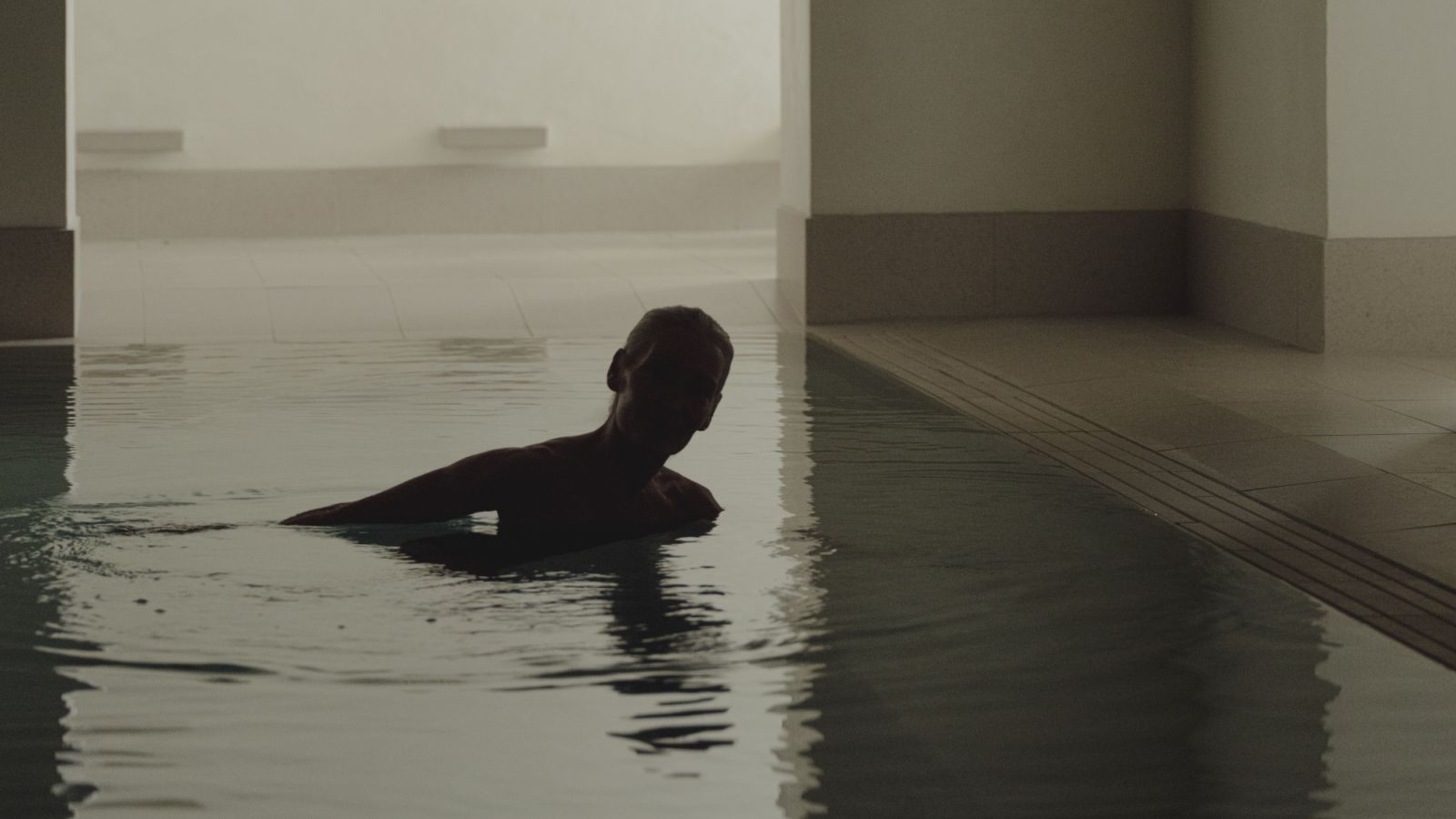
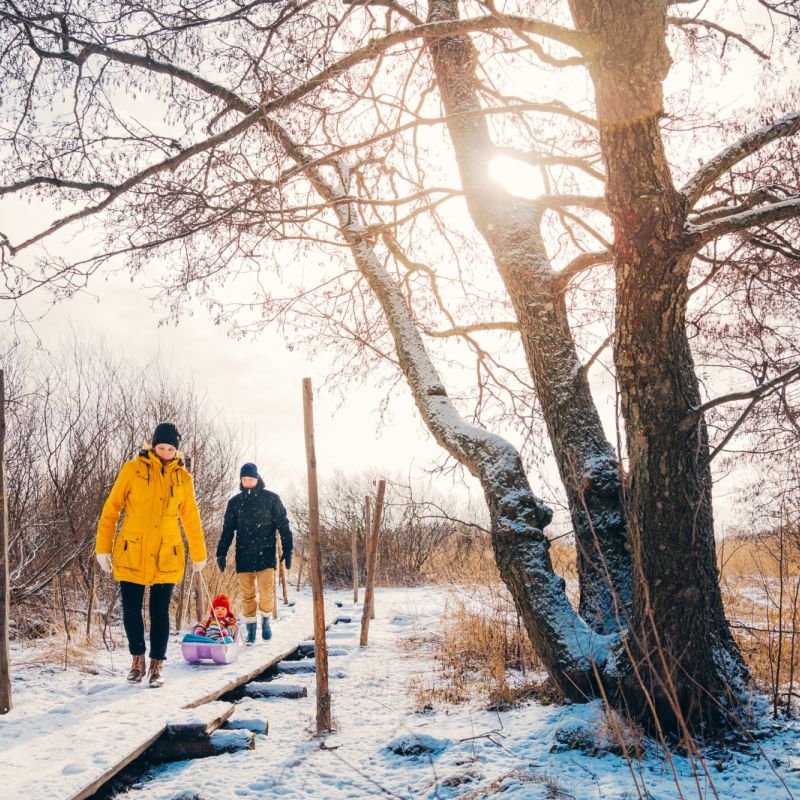
Long before anyone called it a winter arc, the Finnish way through the dark months was built on rhythm: work in the light that was available, heat in the evening, long sleep. The arc has since become a contemporary ritual of its own, a promise of a stronger, fitter, more disciplined version of yourself by spring. The instinct is old and human. When the days shrink to a few hours, we try to answer with fuller diaries and the same output as in July.
The season and sleep set the tempo
“The long, dark winter has traditionally been seen as something we have to fight against somehow,” says Vilpponen. “But it is a fight we cannot win, so what if we tried to live in harmony with nature instead? What if winter is meant for doing things that nourish the body and mind in the darkest time of the year? The most alert moment of the day may not be the same as in summer, so it may be worth rethinking when you do a hard workout.”
Leskinen comes to the same place from the training side. “Many people still think that the more workouts a week and the harder they are, the faster the progress,” he says. “But real growth in performance only happens once the nervous system calms down, in rest and sleep. If recovery isn't managed actively, the body can easily drift into a state of continuous stress, preventing proper adaptation. That often takes away the motivation for training first, or at least the joy of it, but it also halts progress and exposes us to overload. It is important to give yourself permission to recover too.”
Vilpponen explains it through the muscle. Strength training works by supercompensation: “Training provides the stimulus – while the actual structural growth and adaptation take place during rest. Once you understand this cycle, it is clear that recovery is just as crucial to progress as the workout itself.” The mind works the same way, she says. It also needs recovery to see things more clearly, which is what we mean when we say we will “sleep on it.”
What does that mean for the dark months, when the need for sleep and the load from everyday life are often at their highest? “Regardless of the season, most training should be kept at low heart-rate zones, Zone 1 to 2,” Leskinen says. “Hard sessions are saved for days when sleep quality and external load really allow them. It is always good to learn to listen to your body and your stamina, and to adjust the intensity to the resources you have at the time.”
A soft landing to a hard session
HYROX, which combines running with functional strength, is the sport of the moment, and Leskinen puts its appeal down to something older than fashion. “Our bodies are made to move, carry, run and adapt,” he says, “so the sport matches the diversity of our basic biological needs.” It is also, he adds, a social way to train.
At St. George, the new HYROX & Care sessions continue after the last station. “What could be better than a versatile small-group workout done at your own level, and on top of it the chance to stay and enjoy everything the spa offers for recovery and calming down?” Leskinen says. “A hard HYROX workout drives the nervous system into fight-or-flight. Moving into a calm spa environment that soothes the senses helps switch on the restorative, parasympathetic nervous system.” He likes that guests can come for the whole experience and some time to themselves, or share it with friends.
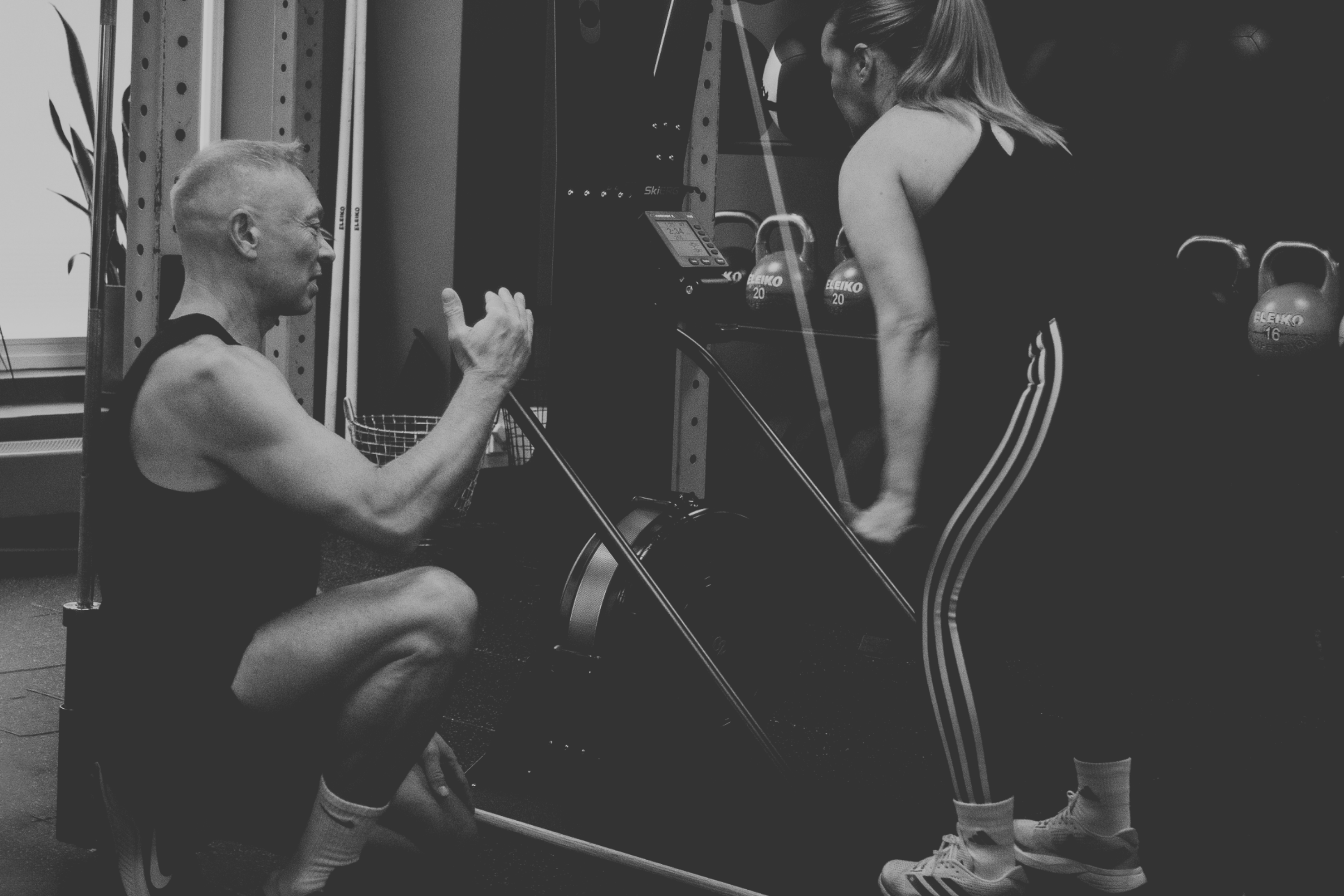 HYROX & Care. Photo by Angelina Ilmast.
Heat and cold, stillness and movement
Finland has its own answer to the question of how to move from strain to rest, and it has been practised for generations: the sauna, followed by the cold. “Heat contrasts are an effective way to guide an overstimulated nervous system back into balance. The heat of the sauna widens the blood vessels, relaxes the muscles and activates the parasympathetic nervous system, while the cold plunge causes a controlled, short stress reaction that stimulates it as well. The alternation between hot and cold does not only boost circulation and metabolism after training, it also forces the mind into presence and calm. It works like a physical reset button for the nervous system, helping the body move from performance mode into deep, restorative rest,” describes Vilpponen.
Sufficient recovery comes in more than one form. Stopping and sleeping is passive recovery, Vilpponen explains, while active recovery means gentle movement, such as swimming. She suggests combining the two: “Recovery is above all about wholeness, a person as a psychophysical entity. The body is rarely relaxed if the mind is burdened and busy, and the other way around. That is why we need ways of recovering that affect us as a whole.”
When the light returns
As the days lengthen through March and April, the body is slower to follow than the calendar. “On the threshold of spring many people feel tired, as the body works to adapt to the change in light and metabolism,” Vilpponen says. “This is a time when it is still important not to demand too much of yourself, because rest remains an important part of spring’s empowerment. Our body is handy in that it always tells us what it needs. Whether we stop to listen is a different matter.”
Leskinen’s view of the longer horizon follows the same logic. “In the long run the best results come from keeping training steadily high in quality and controlled,” he says. “When load and recovery are rhythmed right, without constant overload, performance stays high without collapses.” He steers training by how alert a person feels and, often, by physiological data. “We are individuals and we react differently to stimuli, load, darkness or the seasons. The skill is in listening to the needs of the mind and body, also when training hard and with goals.”
What the body already knows
- Give recovery the same intention as the workout, and keep the hard sessions for the days when sleep and life allow them.
- Let a hard effort end in heat, then cold, then quiet.
- Alternate full rest with gentle movement, a swim for instance, and find one hour a day without a screen.
- When the season turns towards light, turn the pace gradually, and let the body say what it needs.
Hybrid turns out to be a fair description of being human: made to strain and to recover, to move and to be still, to endure the dark and to turn toward the light. Each era gives the old wisdom of balance a new name, while the body has been giving the same advice for as long as there have been winters.
Discover HYROX & Care at St. George
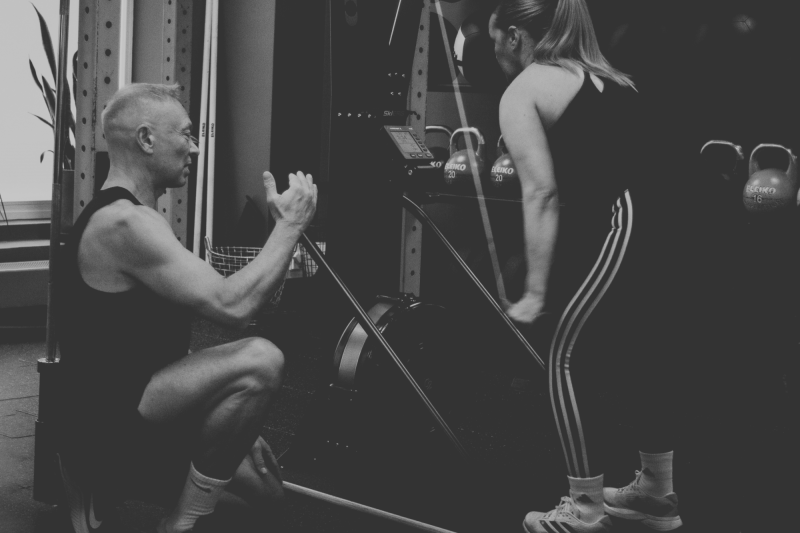
Train hard, recover well
The HYROX & Care Experience
At St. George Care, our new bespoke experience is designed to combine high-intensity functional training with five-star contrast therapy and relaxation. Only at St. George from 31 October.
Read more & book
SHARE THIS ARTICLE



Read next
Glögi Night 18 Dec 2026 at St. George Bakery
Friday 18 December, 2026
Moving in November presents Dana Michel – YOU CANNOT CAN
Monday 09 November, 2026
A picnic is a state of mind: How Wintergarden is redefining Saturday brunch
Moonlight Swim at St. George Care on 30 Oct, 14 Nov & 11 Dec
Friday 30 October, 2026
4 x Micro-adventure in Helsinki – How to spend a perfect, carefree summer day
If you go down to the woods today – The 6 best nature destinations around Helsinki
St. George Bakery: Cocktail Brunch 14.–16.8.2026
Friday 14 August, 2026
Night of the Arts 2026 at St. George Bakery
Thursday 20 August, 2026
St. George TALKS: Longevity L∞ps – Perspectives on the good life and meaning

Iittala at Wintergarden – timeless design finds a new context
St. George's Week: Artists' Breakfast with Forum Box on 27 April
Monday 27 April, 2026
St. George's Week: Wintergarden Yoga
Saturday 25 April, 2026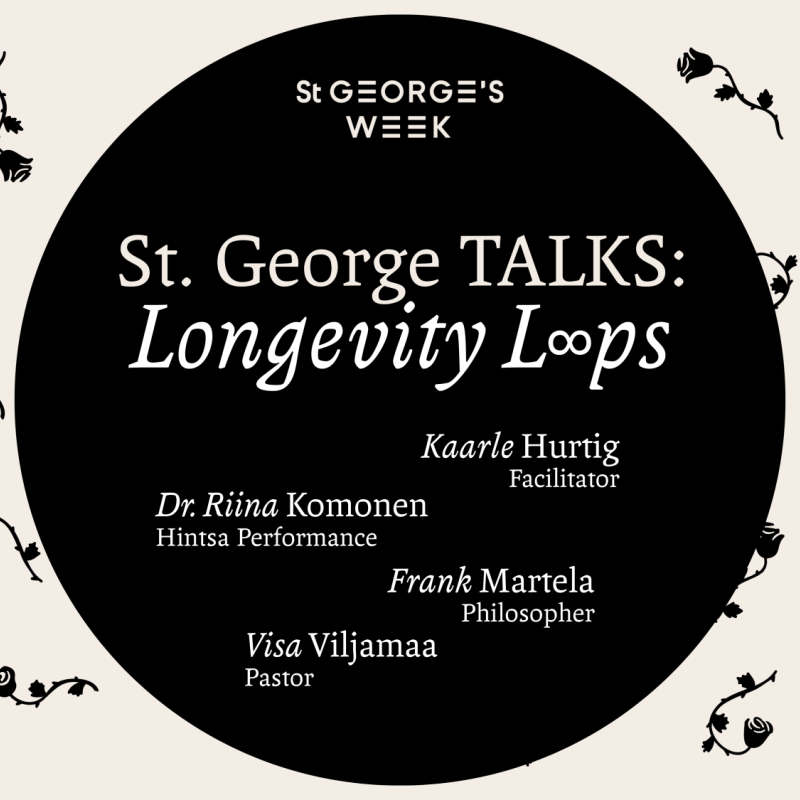
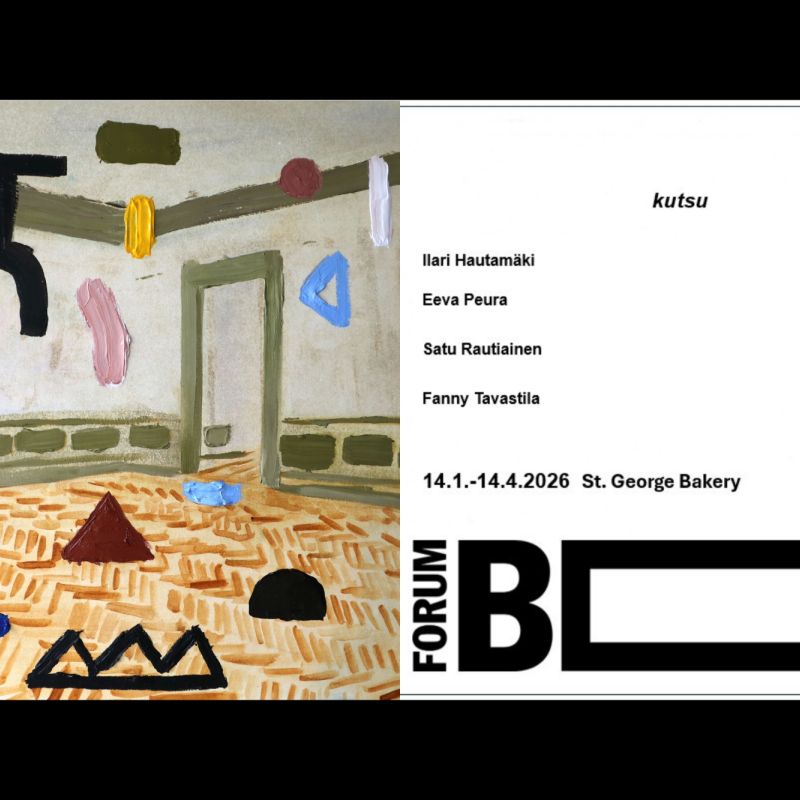
Forum Box: Kutsu / Invitation
Wednesday 14 January, 2026
FIFU x St. George: Old work. New life.
Thursday 01 January, 2026
Micro-moments of recharge: A tech founder’s 24 hours of calm

Living Like a Traveler, Traveling While Living: Tips for Travelers and Locals by Yumi Matsumoto

Curated by BOM: Inner Children
Thursday 04 September, 2025
Night of The Arts 2025 at St. George Bakery & St. George Wintergarden
Thursday 14 August, 2025
Helsinki Design Week 5–14 September – Can human happiness be designed?

Apply to a writers' residency in St. George by May 1st
Wednesday 23 April, 2025


Klaus Haapaniemi’s exhibition dives into the ocean depths

Coupole Suite Yoga on Friday, April 25 & Saturday, April 26
Friday 25 April, 2025
St. George invites guests to a unique scent experience in partnership with MALIA Company

Curated by BOM for St. George Bakery
Thursday 23 January, 2025
Coolcation Inspiration: Helsinki’s Hotel St. George sets the standard

St. George Bakery takes Finnish cinnamon buns to Japan – featured in a prestigious Christmas market

Mert Otsamo: Ephemeral Beauty
Saturday 07 September, 2024


St. George Residency x Photofuss: Dream Laboratory
Tuesday 23 April, 2024


Tales & Cocktails Tour on Feb 14, 2024
Wednesday 14 February, 2024
Sauna yoga on Nov 17 & 24, and Dec 9
Friday 17 November, 2023
Wintergarden's Flow Brunch on 12 August, 2023
Saturday 12 August, 2023
Wintergarden's Vegan May Day Brunch 1st of May 2023
Monday 01 May, 2023

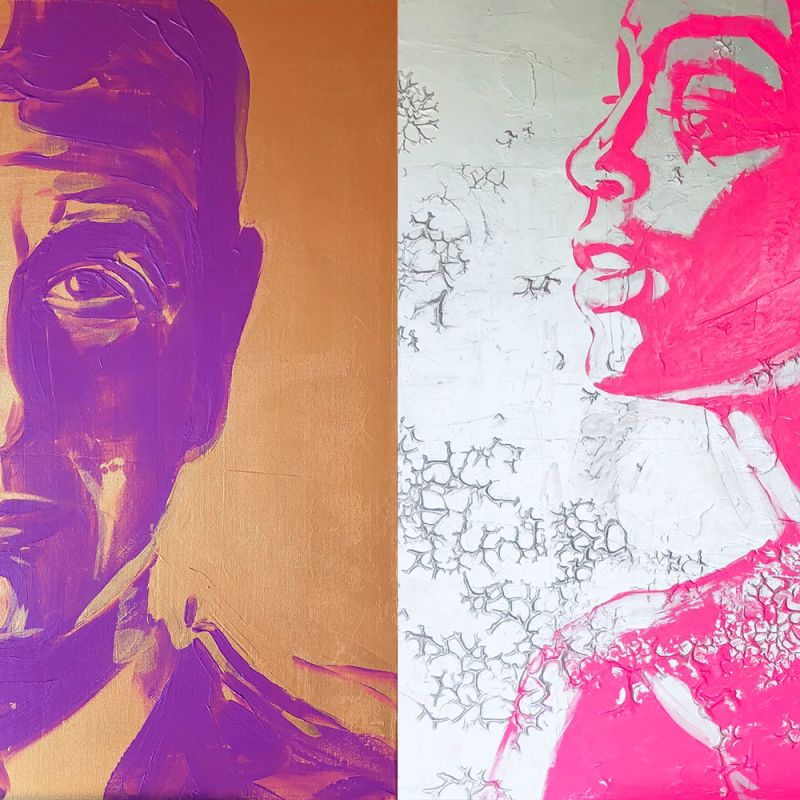

Helsinki Biennial invites visitors to the treasure island of art
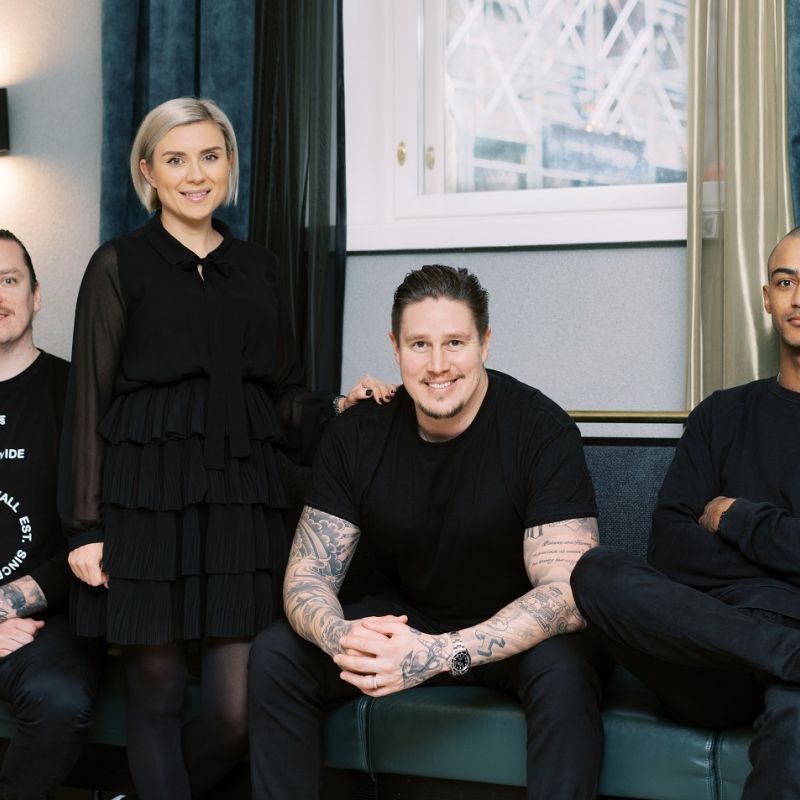
Tomi Björck opens a contemporary Asian restaurant at Hotel St. George
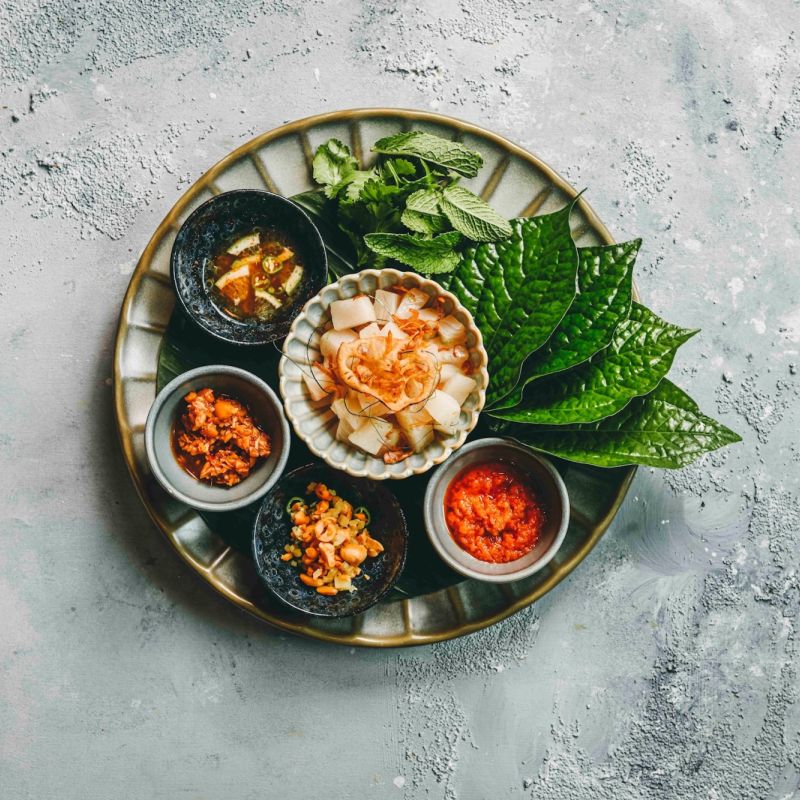


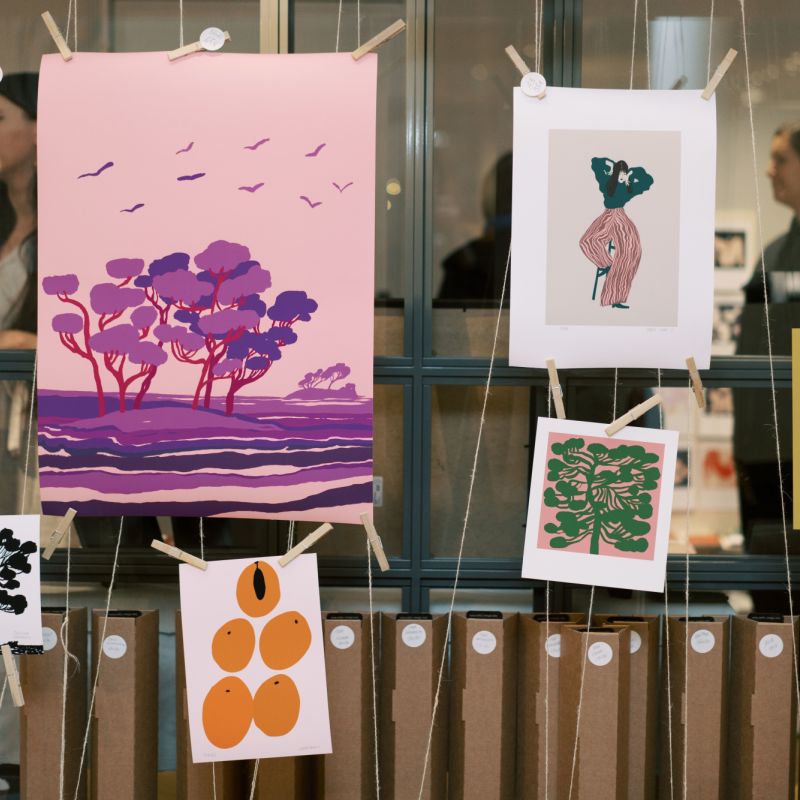


Helsinki’s art year 2020: from Van Gogh to archipelago adventures


Helsinki Festival Pre-Party with Ylva Haru
Thursday 22 August, 2019
Ravintola Andrea x Omara Portuondo
Saturday 24 August, 2019
Helsinki Summer Tips - Soak up summer like a Helsinki local


St. George's Party w/ Petteri Sariola 19.11.
Friday 19 November, 2021
St. George's Party w/ Pete Parkkonen 22.4. (siirtyy)
Friday 22 April, 2022
Sleep tight, feel alright! Why sleeping is the essence of well-being

George TALK: Reaching Sustainable High Performance
Wednesday 20 March, 2019


The unknown design classic that invites you to relax: Arne Jacobsen's Paris Chair


Letting off steam: How to discover the perfect Helsinki sauna for you



St. George recommends: 5 x gift ideas for fathers

An art gallery in a hotel - Ai Weiwei’s dragon welcomes visitors to Hotel St. George

Let there be light! How a Nordic innovation banishes Helsinki’s winter darkness
Pekka Jylhä's "Learning to Fly" spreads its wings in Wintergarden
How chef superstar Mehmet Gürs came home to Helsinki
From national awakening to Nordic design: Hotel St. George echoes Helsinki’s history