 Share
Share
St. George TALKS: Longevity L∞ps – Perspectives on the good life and meaning
In late April, as Hotel St. George marked its eighth anniversary, the Wintergarden filled with curiosity and focus rather than the usual birthday cheers. Three guests — a philosopher, a physian, and a pastor — gathered to ask a question that resists easy answers: what does a good, long life actually look like? Moderated by journalist Kaarle Hurtig, the discussion moved from the biological to the existential, from data to grief, from longevity culture to what people wish for at the very end.
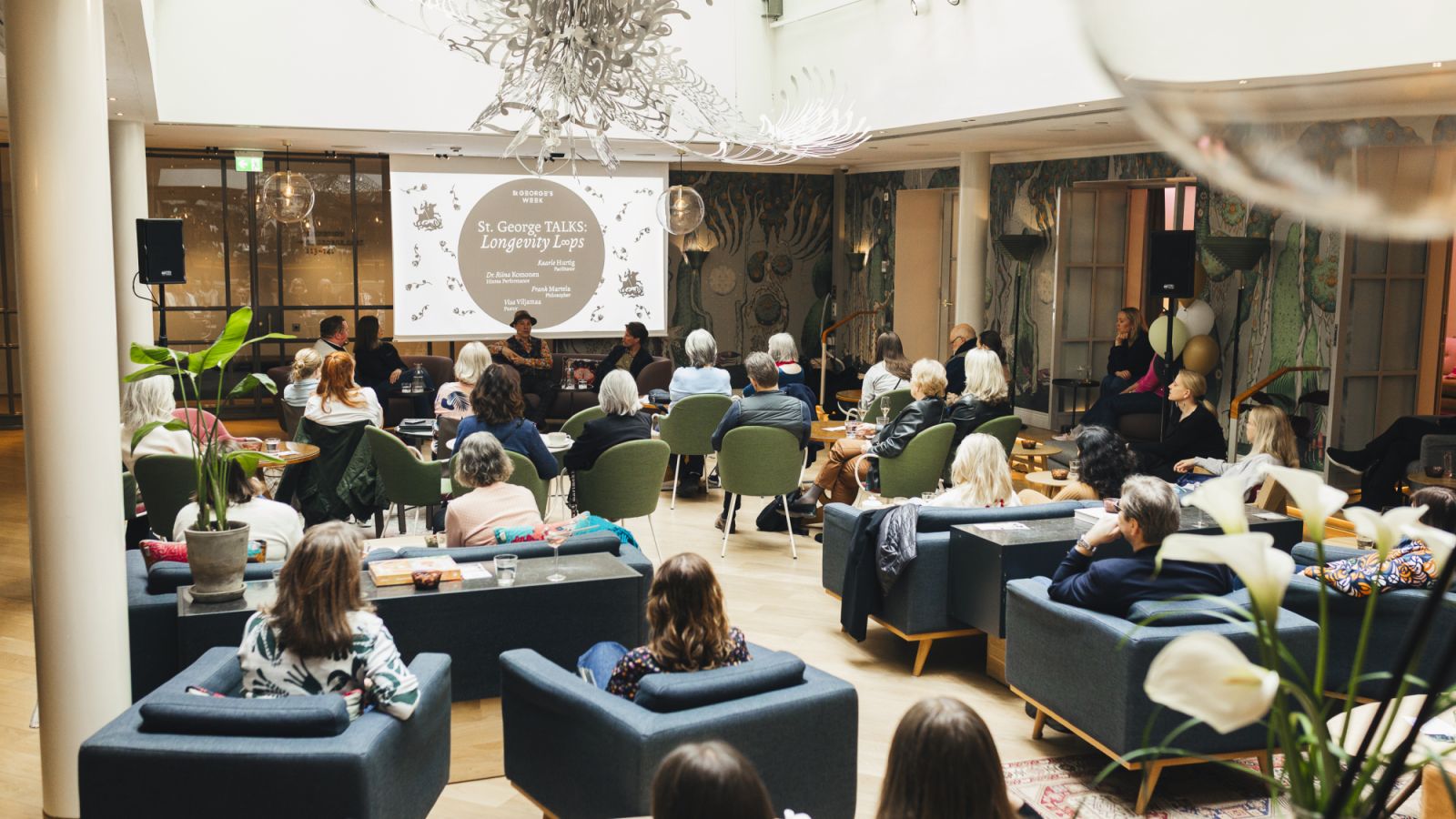
"Without meaning, it doesn't matter how many steps you take in a day."
On length versus quality
The conversation opened with a provocation. If you could decide how long to live, what would you choose? Frank Martela, philosopher and associate professor at Aalto University, was characteristically precise: as long as life feels good. Riina Komonen, Medical Director at Hintsa Performance, had just taken an online longevity test that predicted she would live to 98. "That feels like a long time," she said, "but I'll take it if it's on offer."
The more interesting question, the panel agreed, is not how long but how well. Martela was direct about the trade-off: optimising for length at the expense of quality is rarely a good deal. "If the way to extend your life means that life stops being enjoyable, that's not obviously worth it." Komonen echoed this from clinical experience — most patients are far more concerned with whether their medication will stop them walking than with whether it adds two years to their life expectancy. The real work of medicine, she argued, is helping people remain capable and pain-free for as long as possible, not simply keeping them alive.
Viljamaa brought a different kind of evidence. More than three hundred funerals have given him a particular perspective on what a life amounts to. Duration, he suggested, is not always the defining measure. Every life, he said, traces its own arc — and a shorter arc can still be complete. "Even a brief life can be a full life."
On the trap of optimisation
One of the sharpest threads of the evening concerned what Martela called value capture — the way a rich, complex goal gradually gets replaced by the metric we use to measure it. He described a philosopher colleague who, in pursuit of academic prestige, found himself producing work he found genuinely boring. The original love of ideas had been hollowed out by the chase for the right journal, the right institution. "And then I wanted to die," the colleague had said.
The same dynamic, Martela suggested, plays out in how people approach their own health. The Oura ring on his finger, he admitted, was a point of contention in some philosophy circles. But the real risk is subtler: when the score matters more than how you actually feel, the instrument has taken over. Komonen agreed. She sometimes tells patients outright to stop optimising. "You're creating a stress loop trying to figure out what's wrong, when often there's nothing astronomically wrong. You're just not sleeping enough."
On loneliness — the underrated threat
The panel's most striking convergence came around the subject of loneliness. Martela cited research suggesting that sustained social isolation is roughly as damaging to life expectancy as smoking. Hurtig pushed further: unlike diet or exercise, loneliness isn't easily fixed by personal effort. It is shaped by forces — social fragmentation, the collapse of community structures, the way young people now increasingly socialise only within their own gender — that resist individual intervention.
Pastor Visa Viljamaa, who serves as acting parish priest in Munkkiniemi, brought a quieter observation to the table. Traditional communities — neighbourhoods, parishes, sports clubs, extended families — are under real pressure. And among young adults in particular, he sees something that looks like a growing hunger for belonging. "The need for community is becoming one of the biggest themes in people's wellbeing," he said. "And it will resonate with longevity too."
Martela added a dimension from his teaching at Aalto. When he asked student groups to discuss the rise in youth mental health struggles, every single group — across twenty or more sessions — named social media as a contributing factor. And when schools in Finland began banning phones at break time, something unexpected happened: children started playing outside again.
On meaning as the real foundation
The conversation's final movement turned towards what actually matters. As a pastor, Viljamaa works with people across every stage of life, including the end. When asked what people reflect on in those final moments, his answer was quiet and clear. "Very few have wished they had worked more." What he hears instead is a longing for meaning — a sense that the life lived was one's own, that it held something worth holding. "Death is worth thinking about. On one day you will die — but on every other day before that, you get to live."
Martela framed the same idea from his research. He described a youth worker whose clients — young people with serious substance use problems and genuinely shortened life expectancy — found their way out not through programmes, but through purpose. Some through faith, some through a relationship, some through discovering a vocation. "If all sources of meaning are missing from your life," he said, "what does it matter?" The intervention that worked was not medical. It was the arrival of something worth living for.
His closing thought distilled fifteen years of research into two lines: build connections with others. But remember to build a connection with yourself too.
St. George Talks: Longevity Loops was part of St. George's Week, celebrating the hotel's 8th anniversary in April 2026. A recording of the full conversation is available to watch below in Finnish.
SHARE THIS ARTICLE



Read next
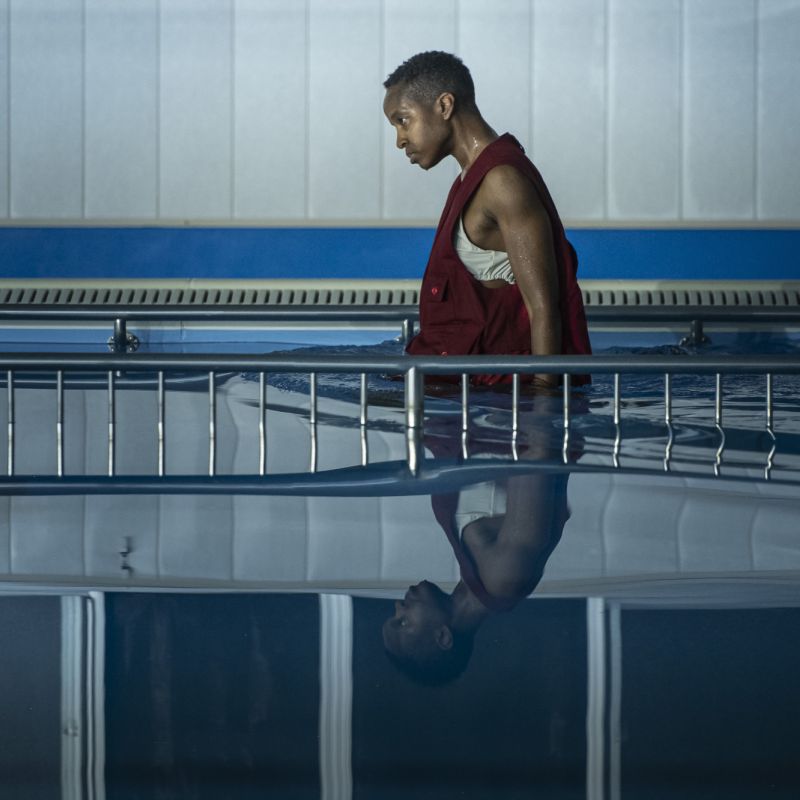
Moving in November presents Dana Michel – YOU CANNOT CAN
Monday 09 November, 2026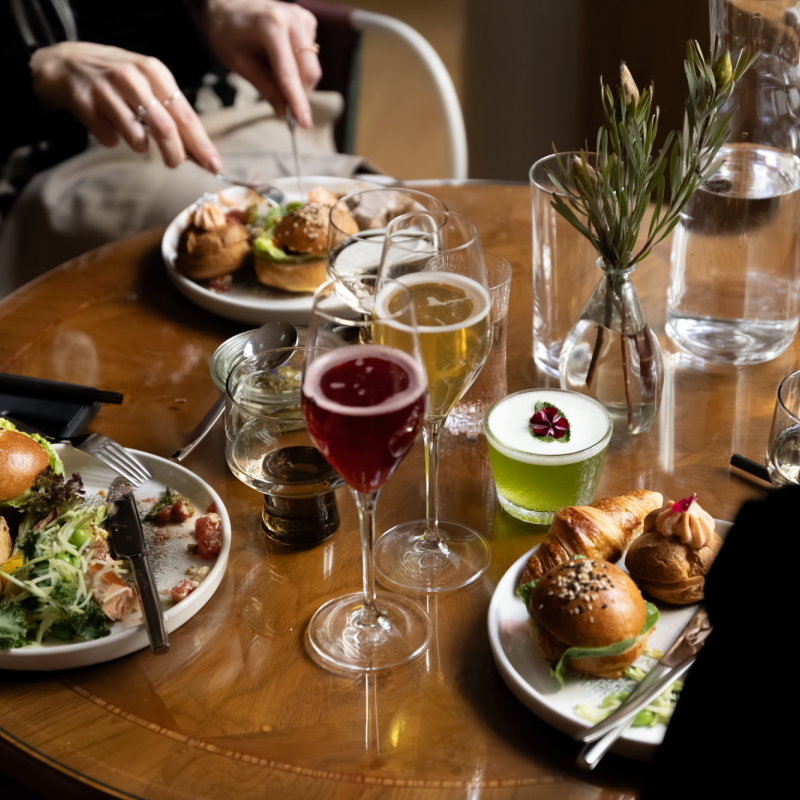
A picnic is a state of mind: How Wintergarden is redefining Saturday brunch
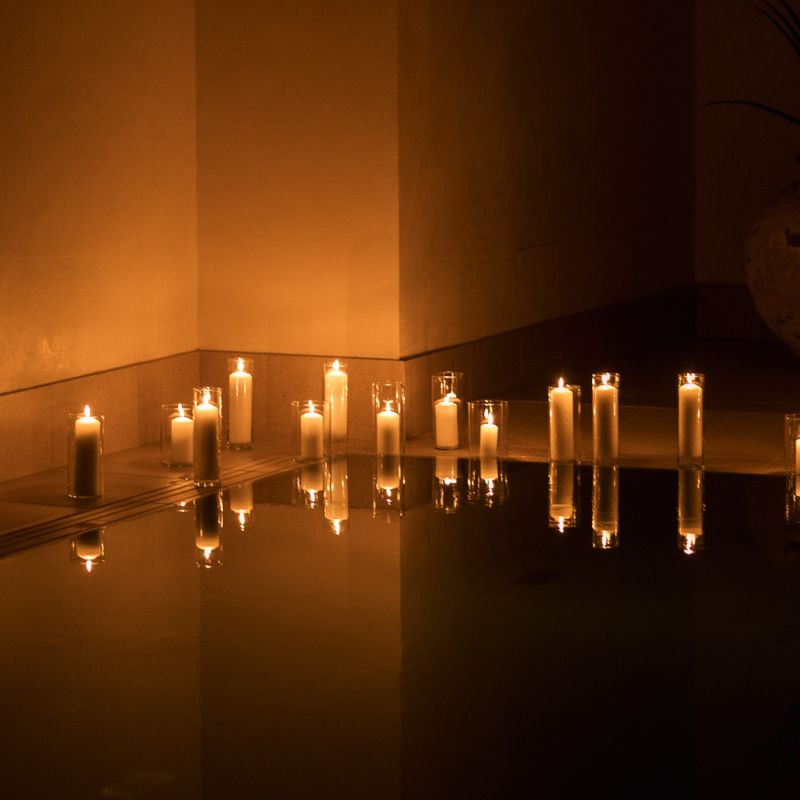
Moonlight Swim at St. George Care on 30 Oct, 14 Nov & 11 Dec
Friday 30 October, 2026
St. George Bakery Morning Club
Saturday 19 September, 2026
4 x Micro-adventure in Helsinki – How to spend a perfect, carefree summer day
If you go down to the woods today – The 6 best nature destinations around Helsinki
St. George Bakery: Cocktail Brunch 14.–16.8.2026
Friday 14 August, 2026
Night of the Arts 2026 at St. George Bakery
Thursday 20 August, 2026
St. George's Week: Wintergarden Yoga
Saturday 25 April, 2026
St. George's Week: Artists' Breakfast with Forum Box on 27 April
Monday 27 April, 2026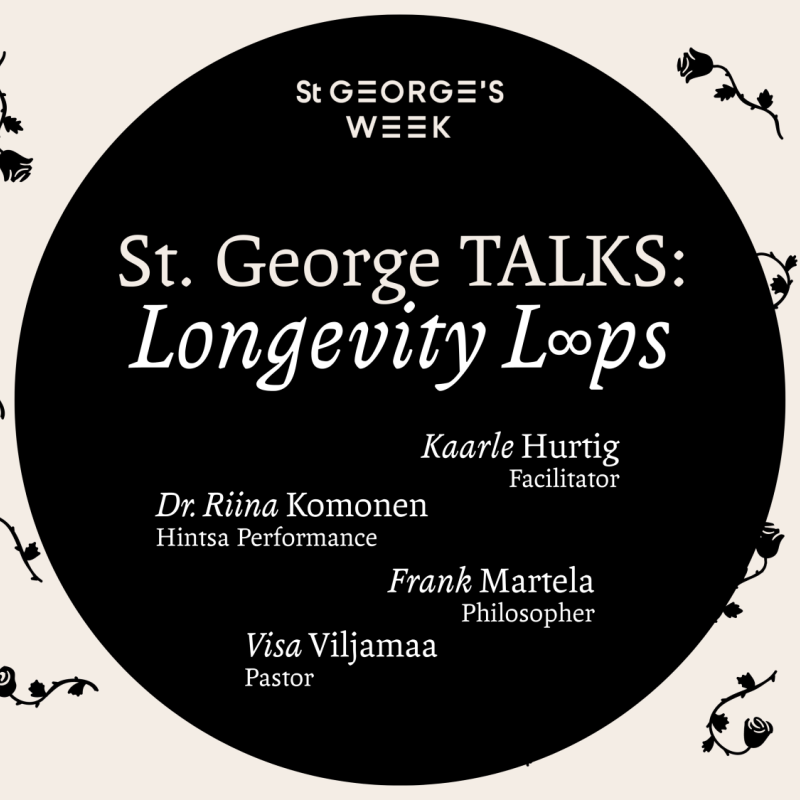
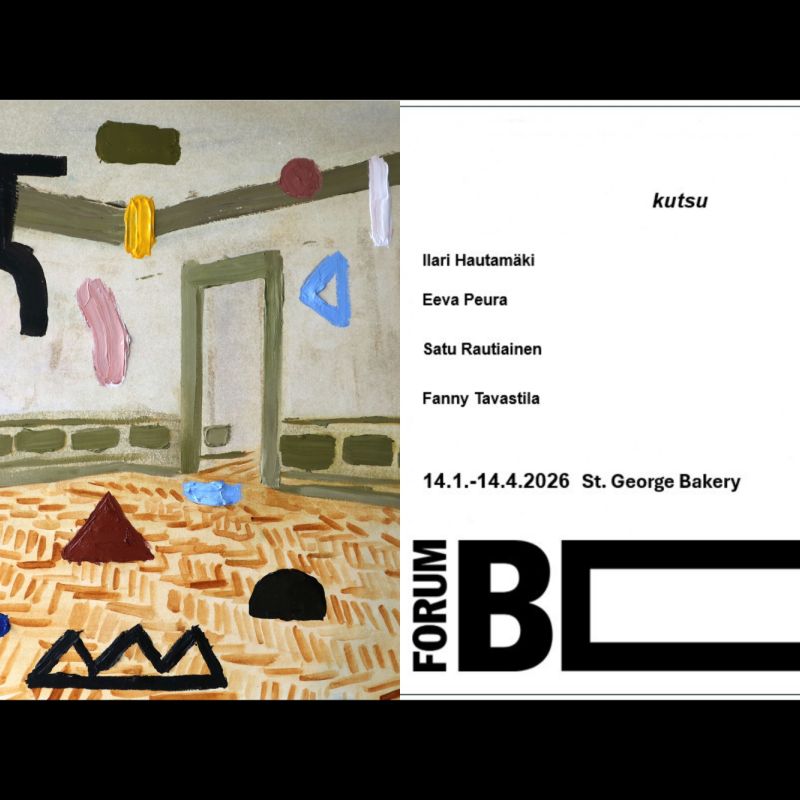
Forum Box: Kutsu / Invitation
Wednesday 14 January, 2026
FIFU x St. George: Old work. New life.
Thursday 01 January, 2026
Micro-moments of recharge: A tech founder’s 24 hours of calm

Curated by BOM: Inner Children
Thursday 04 September, 2025
Night of The Arts 2025 at St. George Bakery & St. George Wintergarden
Thursday 14 August, 2025
Helsinki Design Week 5–14 September – Can human happiness be designed?

Apply to a writers' residency in St. George by May 1st
Wednesday 23 April, 2025


Klaus Haapaniemi’s exhibition dives into the ocean depths

Coupole Suite Yoga on Friday, April 25 & Saturday, April 26
Friday 25 April, 2025
St. George invites guests to a unique scent experience in partnership with MALIA Company

Curated by BOM for St. George Bakery
Thursday 23 January, 2025
St. George Bakery takes Finnish cinnamon buns to Japan – featured in a prestigious Christmas market

Mert Otsamo: Ephemeral Beauty
Saturday 07 September, 2024

St. George Residency x Photofuss: Dream Laboratory
Tuesday 23 April, 2024


Tales & Cocktails Tour on Feb 14, 2024
Wednesday 14 February, 2024
Sauna yoga on Nov 17 & 24, and Dec 9
Friday 17 November, 2023
Wintergarden's Flow Brunch on 12 August, 2023
Saturday 12 August, 2023
Wintergarden's Vegan May Day Brunch 1st of May 2023
Monday 01 May, 2023
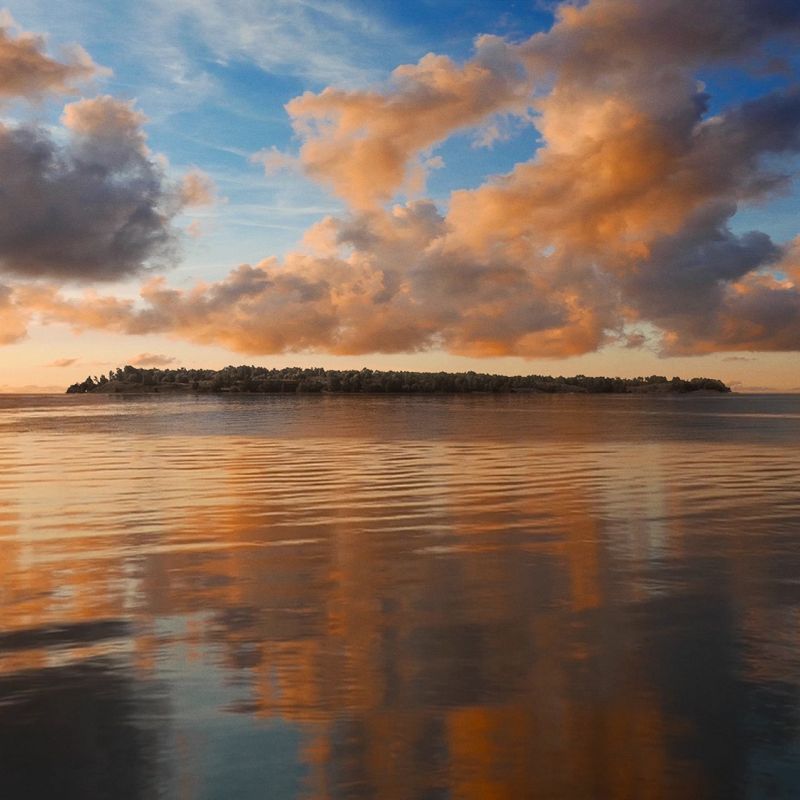
Helsinki Biennial invites visitors to the treasure island of art



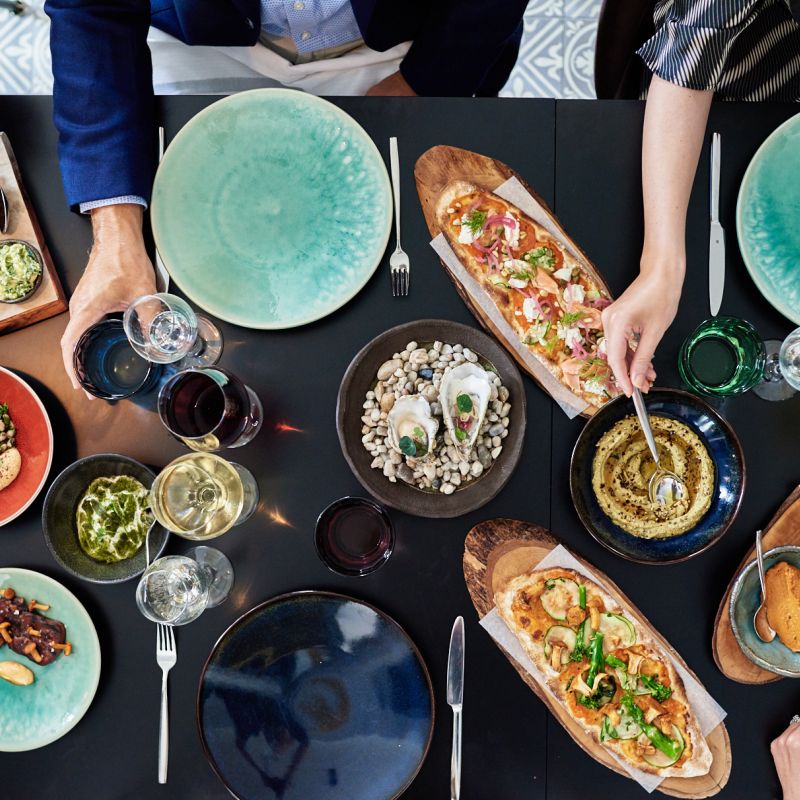


Helsinki Festival Pre-Party with Ylva Haru
Thursday 22 August, 2019
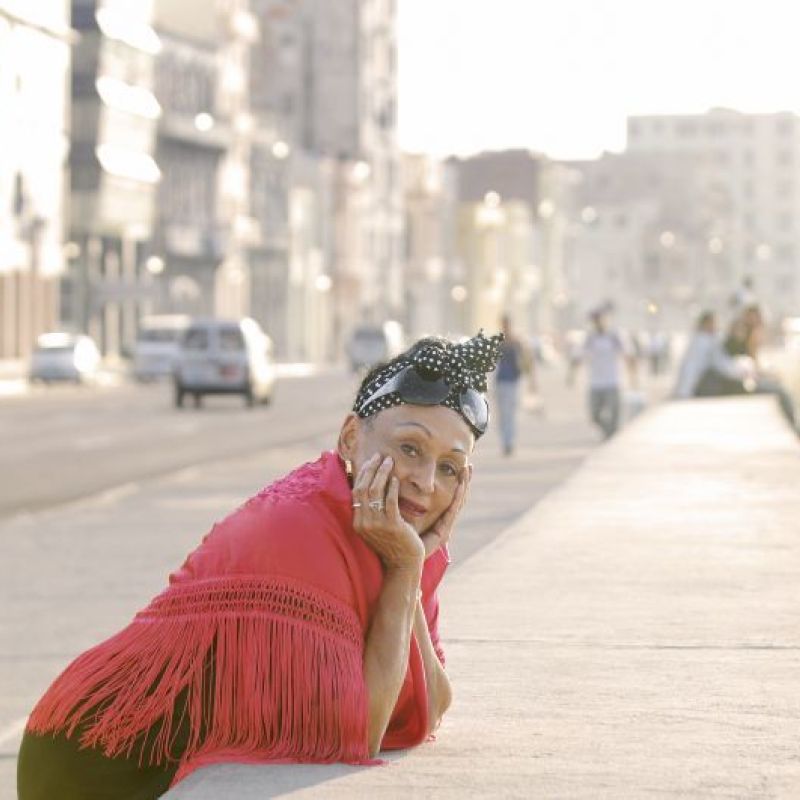
Ravintola Andrea x Omara Portuondo
Saturday 24 August, 2019
Helsinki Summer Tips - Soak up summer like a Helsinki local




St. George's Party w/ Pete Parkkonen 22.4. (siirtyy)
Friday 22 April, 2022
St. George's Party w/ Sami Pitkämö & Band, 26.4.
Wednesday 29 September, 2021

St. George's Party w/ Petteri Sariola 19.11.
Friday 19 November, 2021
Sleep tight, feel alright! Why sleeping is the essence of well-being

George TALK: Reaching Sustainable High Performance
Wednesday 20 March, 2019

The unknown design classic that invites you to relax: Arne Jacobsen's Paris Chair

Letting off steam: How to discover the perfect Helsinki sauna for you


St. George recommends: 5 x gift ideas for fathers


Let there be light! How a Nordic innovation banishes Helsinki’s winter darkness